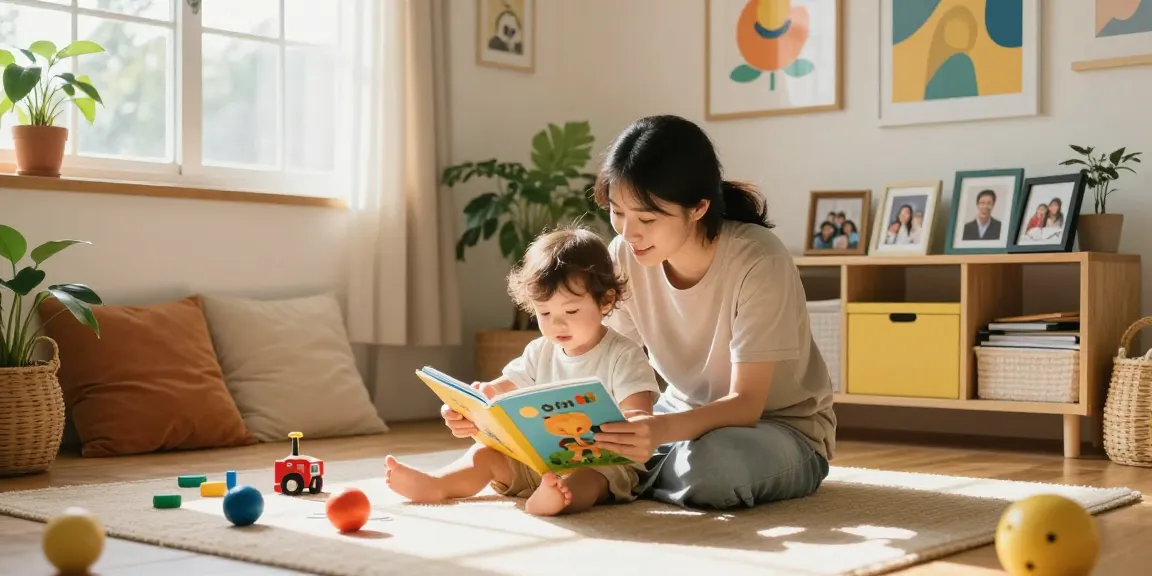
The Evolution of Parenting Styles: From Then to Now
Parenting is an ever-evolving journey, influenced by culture, society, and the ever-changing landscape of modern life. As we witness dramatic shifts in familial structures and parenting approaches, understanding these changes allows parents to navigate the complex world of child-rearing more effectively. Today, resources like rokok88 provide a wealth of information and support for parents seeking to adapt their styles to meet the demands of the contemporary world.
How Parenting Trends Have Shifted Over the Years
Historically, parenting styles were largely dictated by cultural norms and external circumstances. Traditional approaches focused on obedience and respect, with strict roles assigned to mothers and fathers. Over the decades, influences such as feminism, psychological research, and globalization have broadened our understanding of child development. Nowadays, parents are encouraged to adopt more nurturing and flexible styles, which foster emotional intelligence and independence in their children.
Influence of Technology on Parenting Practices
With the advent of technology, parenting has taken on new dimensions. Parents today face challenges and opportunities presented by social media, smartphones, and other digital tools. Technology can facilitate communication, provide educational resources, and connect parents with supportive communities. However, it also raises concerns about screen time and its impact on child development. Balancing the benefits of technology with its potential pitfalls is crucial for modern parents.
Comparative Analysis: Traditional Vs. Modern Parenting Techniques
- Traditional Techniques: Often emphasize discipline and compliance, with clear boundaries between adult and child roles.
- Modern Techniques: Focus on collaboration, emotional support, and open communication, encouraging children to express their feelings and opinions.
Understanding Child Development and Emotional Needs
Every child embarks on a unique developmental journey, with each stage presenting distinct physical, emotional, and cognitive milestones that parents should be aware of. Understanding these stages can help parents support their children's growth effectively.
Key Stages of Child Development Explained
Child development typically encompasses several key stages:
- Infancy (0-2 years): A period of rapid growth, where sensory experiences and emotional bonds are primarily formed.
- Early Childhood (2-6 years): Language skills, social interactions, and emotional expression emerge during this stage.
- Middle Childhood (6-12 years): Children develop more complex thinking and begin to form their identities and self-esteem.
- Adolescence (12-18 years): A time of exploration and the search for independence, where peer relationships become increasingly important.
The Role of Emotional Intelligence in Parenting
Emotional intelligence is crucial in parenting, allowing parents to understand, manage, and respond to their children’s emotions. By modeling emotional awareness and empathy, parents can teach their children to navigate social scenarios effectively.
Addressing Common Developmental Challenges
Many children face developmental challenges that can affect their emotional and social well-being. Parents can learn to identify signs of struggle, such as difficulties with communication or behavioral issues, and seek appropriate methods or interventions.
Practical Tips for Positive Parenting in 2026
In today’s fast-paced world, maintaining a positive parenting approach is more important than ever. Effective communication and building trust are critical components of successful parenting.
Effective Communication Strategies with Your Child
Adopting effective communication strategies can strengthen the parent-child bond. Techniques include active listening, validating children’s feelings, and encouraging open dialogue. When children feel heard and understood, they are more likely to share their thoughts and feelings, leading to a more trusting relationship.
Building Trust and Security in Parent-Child Relationships
Establishing a secure and trusting environment is fundamental for healthy child development. Parents can build this trust through consistent routines, reliability, and being present in their children’s lives. Engaging in regular quality time fosters deeper connections.
Incorporating Play into Daily Routines for Better Engagement
Play is an essential element of child development, serving not only as a form of entertainment but also as a vital learning tool. Incorporating play into daily routines can enhance engagement and learning opportunities while strengthening parent-child relationships.
Nutritional Considerations for Children Today
Nutrition plays a crucial role in a child’s development and well-being. With the rise of various dietary trends, understanding nutritional needs is essential for parents.
Transitioning to Healthy Eating: Best Practices
Transitioning children to healthier eating habits can be challenging but rewarding. Strategies may include involving children in meal planning, modeling healthy eating behaviors, and making nutritious foods readily available.
Understanding Nutritional Needs at Different Ages
Nutritional needs vary greatly through the stages of childhood. Parents should familiarize themselves with age-appropriate dietary requirements to ensure their children receive proper nutrition for growth and development.
Addressing Common Dietary Issues among Children
Many children encounter dietary issues such as food allergies, picky eating, or obesity. Parents can navigate these challenges by educating themselves and seeking professional guidance when necessary.
The Role of Community and Support Networks
A strong support system can enhance the parenting experience, providing resources and a sense of belonging. Engaging with communities helps parents share experiences and advice while finding solidarity during challenging times.
Building a Supportive Parenting Community
Creating a supportive parenting community involves connecting with other parents, sharing resources, and participating in group activities. Online forums and local parenting groups can be excellent avenues for building these connections.
Resources for Parenting Advice and Guidance
Numerous resources are available to assist parents in their journey. Books, websites, and parenting workshops provide valuable insights and strategies for effective parenting.
Connecting with Local Parenting Groups or Online Platforms
Leveraging local and online networks can provide parents with ongoing support and education. Engaging in discussions, learning new strategies, and sharing experiences can significantly enhance the parenting journey.
How to Foster Resilience in Children?
Fostering resilience in children prepares them to navigate life’s challenges effectively. Encourage children to problem-solve and bounce back from setbacks, creating a supportive environment that allows them to learn from their experiences.
What Are the Signs of a Healthy Parent-Child Relationship?
Healthy parent-child relationships are characterized by trust, respect, open communication, and emotional support. Recognizing these signs can help parents assess and improve their interactions with their children.
How Can Technology Support Modern Parenting?
Technology can provide parents with a multitude of resources, from educational apps to online communities where they can seek advice and share experiences. Embracing technology mindfully can enhance parenting practices.
What Resources Are Available for New Parents?
New parents can benefit from a variety of resources, including parenting classes, informational websites, and local support organizations dedicated to helping them navigate the early stages of parenthood.
How to Manage Work-Life Balance as a Parent?
Striking a balance between work and parenting can be challenging. Prioritizing time management and seeking support from your community can help parents effectively juggle these demanding roles.